For an Alabama parent caught inside the child welfare system, the initial shock of state intervention is often followed by a much longer, far more suffocating reality: the sound of absolute silence.
You make the phone calls. You sit in quiet hallways waiting for hearings that start late or get continued without explanation. You request records that do not arrive. You read through administrative case plans, trying to decipher bureaucratic language that governs the single most vital aspect of your life whether or not you can hold your own child tonight.
Throughout 2026, a growing chorus of parents across Alabama has refused to keep those experiences behind closed doors.
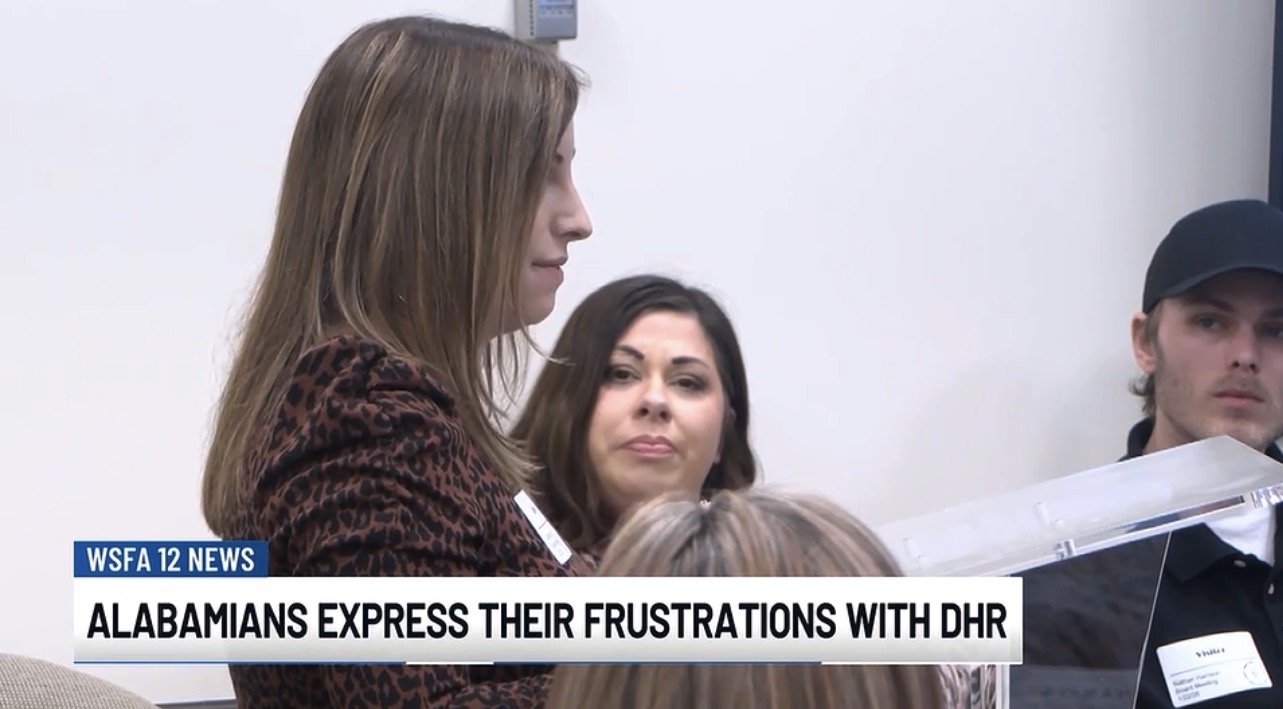
In January, that frustration crossed the threshold of officialdom when parents walked directly into the quarterly public meeting of the Alabama Department of Human Resources in Montgomery. They brought allegations that were neither abstract nor minor. Parents testified about systemic delays, missing court records, opaque proceedings, and deeply conflicting statements from caseworkers. In one instance reported by local station WSFA 12 News, a mother alleged on the record that her newborn was removed from a hospital without a court order, an assertion DHR leadership disputed, but one that highlighted the massive gulf of trust between the agency and the public it serves.
When a family is separated, administrative delays are not mere paperwork glitches. A missing case file is another day without answers. An unreturned phone call is another missed opportunity to understand why a timeline was extended. An unexpected continuance is another missed visit, another rescheduled hearing, another tearful goodbye in an agency parking lot.
DHR leadership pushed back during that January session. Deputy Commissioner of Children and Family Services Karen Smith addressed the room, deflecting several of the primary concerns by pointing to external court figures, claiming that issues like guardian ad litem decisions and judicial continuances fall outside DHR’s legal control.
To parents living through this system, that response felt like a classic bureaucratic pass of the buck. It ignored a fundamental reality: parents are in those courtrooms in the first place because of DHR action. In county after county, parents report caseworkers operating out of bad faith, using aggressive administrative tactics, withholding basic information, and leveraging the threat of court delays to keep families compliant. Shifting the blame to judges and appointed attorneys does nothing to address the unaccountable power caseworkers exercise on the ground every single day.
Yet when the microphones were turned off in January, the story did not end.
For the past nine months, parents have continued to speak out in public forums, media coverage, and advocacy networks across the state. Some are desperately trying to undo decisions that fractured their homes months ago. Others are trapped in procedural limbo, waiting for a court date that never seems to arrive. Many are simply demanding that someone in authority acknowledge what is happening on the ground.
Now, the state administrative machinery is scheduled to open its doors once again.
The Alabama State Board of Human Resources will convene its next quarterly meeting on Thursday, October 22, 2026, at 10:00 a.m. in the Gordon Persons Building Board Room at 50 North Ripley Street in Montgomery.
To be clear: this board room is not a juvenile courtroom. The board members sitting at that table will not issue custody decrees, rule on dependency petitions, or overturn magistrate orders.
That distinction, however, does not diminish the gravity of the room.
For parents who have spent months fighting an overwhelming state bureaucracy, the statutory right to stand in a public building, look agency leadership in the eye, and state on the official record, “This is what happened to my family,” carries immense legal and political weight. Public records matter. Official oversight matters. Being heard matters.
After months and years of sustained public outcry, October 22 represents a crucial test for Alabama’s child welfare leadership. It is an answer to a fundamental question: when the public steps forward with documented grievances, does the state listen, or does the machinery simply keep grinding forward?
What specific evidence will families present this time? What questions from January remain unanswered on agency desks? Has anything meaningfully changed inside county offices over the last nine months?
And above all, will the state genuinely listen?
The video above provides a look back at the January public meeting, when Alabama parents brought their concerns directly to DHR officials.
Video courtesy of WSFA 12 News.
Real Families. Real Stories. Real Accountability.
Suffered for years dealing with DHR