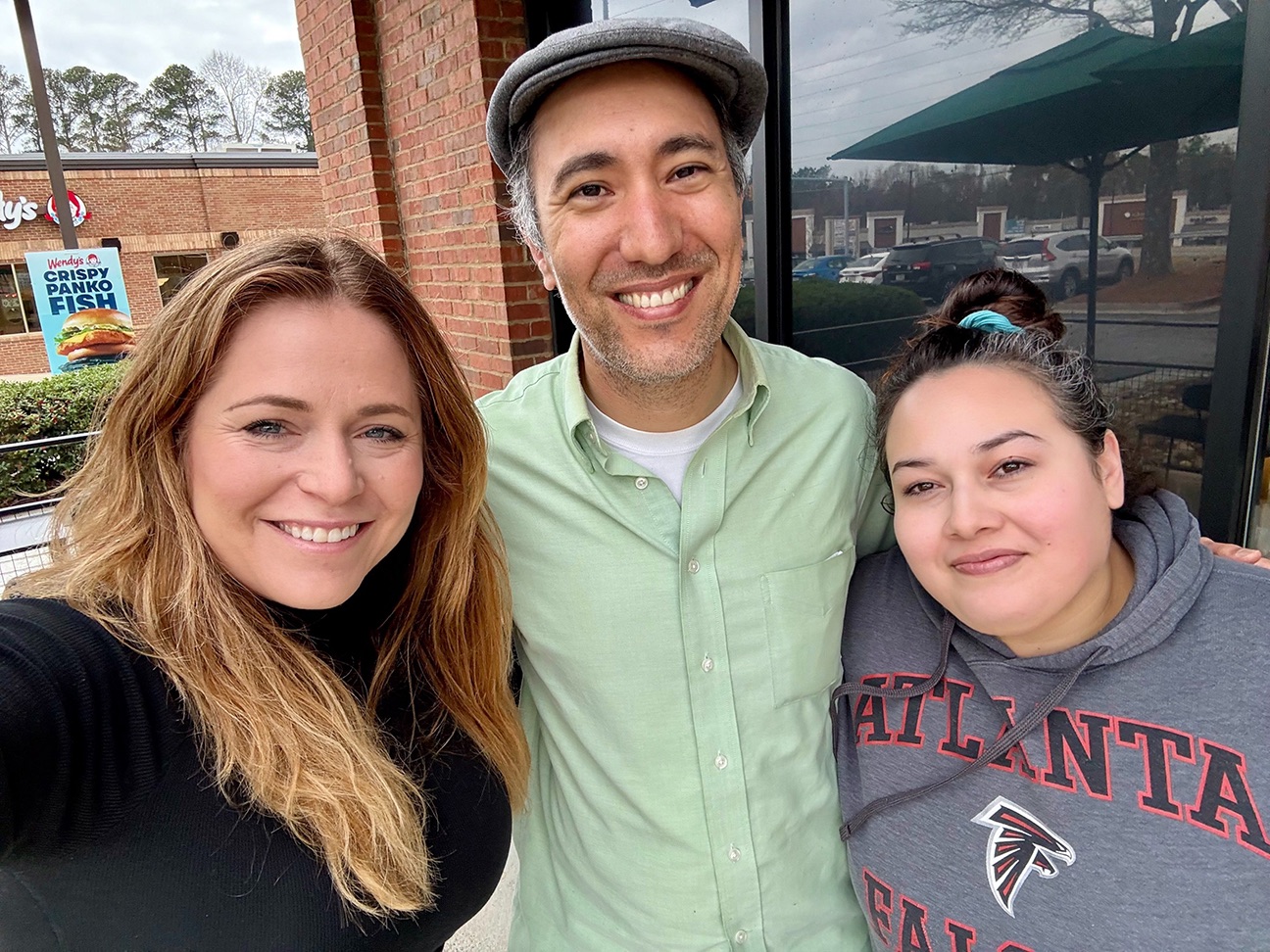
Let me walk you through a story that starts with a mother asking for help and ends with a federal judge having to explain to the state of Georgia that it cannot bill people for children it is not even caring for anymore.
Annalinda Martinez is a mother of six in Georgia. In 2018, her family became homeless. She did what you are supposed to do when your family is in trouble. She went to her local child welfare office and asked for housing assistance. The state responded by taking her six daughters, ages 2 to 15, into foster care.
And then, starting in 2019, the state started charging her for it. Nearly $500 a month. Month after month, year after year, until the debt climbed past $13,000. The billing continued even after Martinez relinquished her parental rights. It continued even though only one of her six children remains in state care today.
Now, I want you to think about the mechanics of that for a second, because the mechanics are the whole story. The state removes your children because you can’t afford to house them, and then it hands you a monthly bill so large that getting financially stable enough to get them back becomes impossible. Martinez says the debt made it nearly impossible to secure the stable housing that the state itself required for reunification. It is a perfect closed loop. The only thing it reliably produces is more debt.
Last week, U.S. District Judge Tiffany R. Johnson of the Northern District of Georgia broke the loop, at least part of it. She issued a preliminary injunction that does three things. First, it bars Georgia from collecting child support payments from parents whose children are no longer in state custody, meaning children who have been adopted or aged out of foster care. Second, it orders the state to create what the judge called a “simple and accessible procedure” for parents to report erroneous charges. Third, it ends punitive enforcement for nonpayment, including the revocation of a parent’s passport or driver’s license.
And here is the part I really want you to sit with. In her order, Judge Johnson wrote that Martinez “plausibly” argues the state’s policies impede, and I am quoting directly here, “indigent parents’ fundamental right” to their children by “hindering” their ability to work toward reunification. The judge went further, noting that the state is, quote, “still attempting to collect debt from Martinez that should not have been charged against her in the first place.”
So to be clear, this is not a dispute about confusing paperwork. A federal judge is saying the state is still trying to collect money it should never have charged to begin with, and that without intervention, it would probably keep charging her even after her last child leaves foster care.
Now, a necessary caveat, because the details matter. This ruling does not end Georgia’s broader practice of charging parents for foster care. It stops what Martinez’s attorney, Phil Telfeyan of the civil rights nonprofit Equal Justice Under Law, called the state’s “irrational” practice of billing parents for children it is no longer caring for. But Telfeyan also called it “a significant ruling for parents all across the state,” adding this: “We’ve been hearing for years about how much this is damaging families, and to finally have a court recognize at least part of that injury really validates what parents have been saying for so long.”
The case was filed in August 2025, and the legal team is seeking to have it certified as a class action, described as one of the first of its kind to challenge the practice of billing parents for foster care. If that happens, it could set a legal precedent for similar cases nationwide. Georgia’s Department of Human Services, which failed to get the lawsuit dismissed earlier, must file its response to the allegations by October 7.
Martinez herself put it plainly. She said she hopes the order can “help some families get their kids back” and ease a financial burden that makes reunification “almost impossible” for parents like her. “This is just the beginning of change,” she said. “I’m not just doing this for myself. It’s for them too. Maybe they feel forgotten, but that’s not the case anymore.”
Which brings me to the question I keep coming back to. Georgia is not the only state that bills parents for foster care. Far from it. This is a widespread national practice, and it consistently does the same thing: it takes money from the families with the least at the exact moment they need resources most to bring their children home.
So here is my question for Alabama. Is our DHR doing this too? Is Alabama billing parents for children it no longer has in custody, and is that debt being used, intentionally or not, to keep families apart? Georgia just had a federal judge call part of this practice what it is. Alabama families deserve an answer to the same question.
If Alabama DHR has charged you foster care fees, especially for children no longer in care, we want to hear your story. Because as Martinez said, this is just the beginning of change. And families in Alabama are watching.
This article draws on original reporting by The Imprint, via the Savannah Morning News.